.png?width=200&height=48&name=Tissue-Cypher-White-RGB%20(1).png "Tissue-Cypher-White-RGB (1)")
Behind the scenes with TissueCypher Barrett's Esophagus
Get to know the technology driving better BE risk stratification
TissueCypher is the first and only prognostic test validated to predict a patient's risk of progression from Barrett's esophagus to high-grade dysplasia or cancer.
But how does it work?
Unlike more common laboratory tests, the TissueCypher test utilizes an innovative spatialomics approach that combines immunofluorescence labeling, high-definition digital imaging, and artificial intelligence (AI).
In this webinar, one of the architects behind TissueCypher, Dr. Rebecca Critchley-Thorne, walked through how the test works and what it means for management of BE. After the 20-minute presentation, she took questions from the audience and shared additional insights into the exciting field of precision medicine.
Check out the recording
![shutterstock_488378611-[Converted]-TC-blue](https://info.castlebiosciences.com/hubfs/shutterstock_488378611-%5BConverted%5D-TC-blue.png "shutterstock_488378611-[Converted]-TC-blue")
Webinar agenda
- Clinical needs in the management of Barrett’s esophagus
- Unlocking the molecular and cellular signatures of progression
- TissueCypher's spatialomics approach
- TissueCypher guided management
- Live Q&A
Speaker
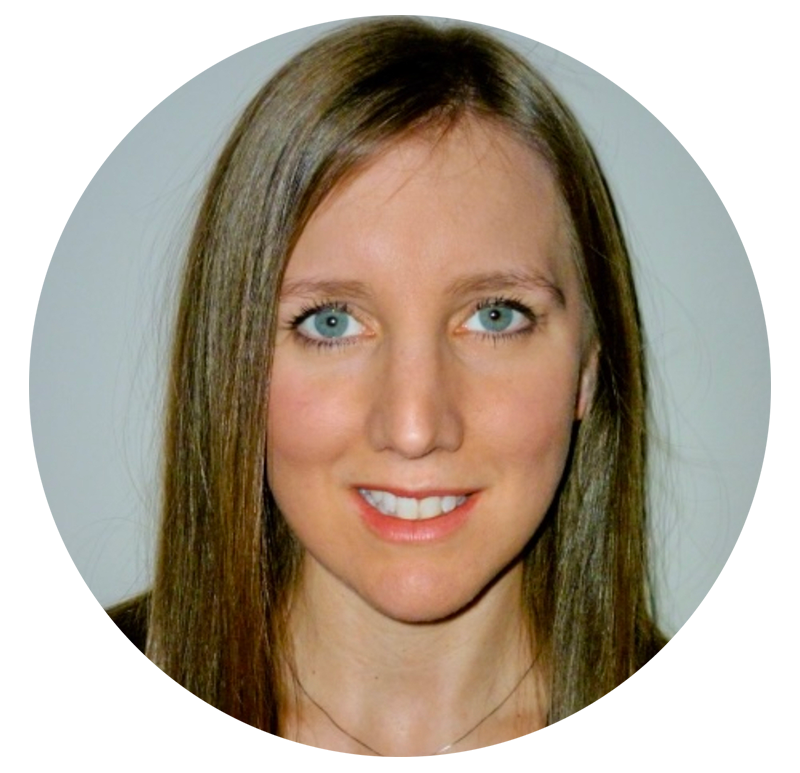
Rebecca Critchley-Thorne, PhD, serves as Vice President, Research & Development, Spatialomics and GI at Castle Biosciences. Dr. Critchley-Thorne led the development of the TissueCypher computational pathology platform as well as the TissueCypher Barrett’s Esophagus test and the clinical studies supporting its use. She completed training as a postdoctoral fellow at Stanford University where she focused on highly multiplexed analysis of biomarkers to understand mechanisms of immune dysfunction in various cancer types. She completed doctoral work in cancer immunotherapy at Imperial College and Cancer Research UK in London, UK. Dr. Critchley-Thorne is the author of many medical and scientific publications, principal investigator on NIH-funded research studies, and inventor on several of Castle Biosciences’ patents.